About Physiotherapy
- Home
- /
- About Physiotherapy

What is Physiotherapy?
Physiotherapy is a healthcare profession focused on restoring movement, reducing pain and improving physical function. It uses evidence-based assessment, hands-on treatment, exercise rehabilitation and education to help people recover from injury, manage musculoskeletal conditions and improve overall mobility.
At Kings Cross Physiotherapy, we believe treatment should address not only your symptoms but also the underlying cause of your problem. Every treatment plan is tailored to your individual needs, lifestyle and recovery goals.
Physiotherapy may help with:
- Tendon injuries
- Post-operative rehabilitation
- Arthritis
- Balance and mobility problems
- Workplace-related injuries
- Back and neck pain
- Sports injuries
- Joint pain
- Muscle strains
Your First Appointment
Your first appointment is designed to help us understand your condition and develop a treatment plan tailored to your individual needs.
During your appointment, your physiotherapist will:
- Discuss your symptoms and medical history
- Assess your movement, strength and posture
- Explain the likely cause of your symptoms
- Provide a clear diagnosis where appropriate
- Recommend the most suitable treatment options
- Begin treatment if clinically appropriate
- Provide advice and exercises to support your recovery.

Follow-up appointments
These can very from 30 mins, 45 mins and 60 mins.
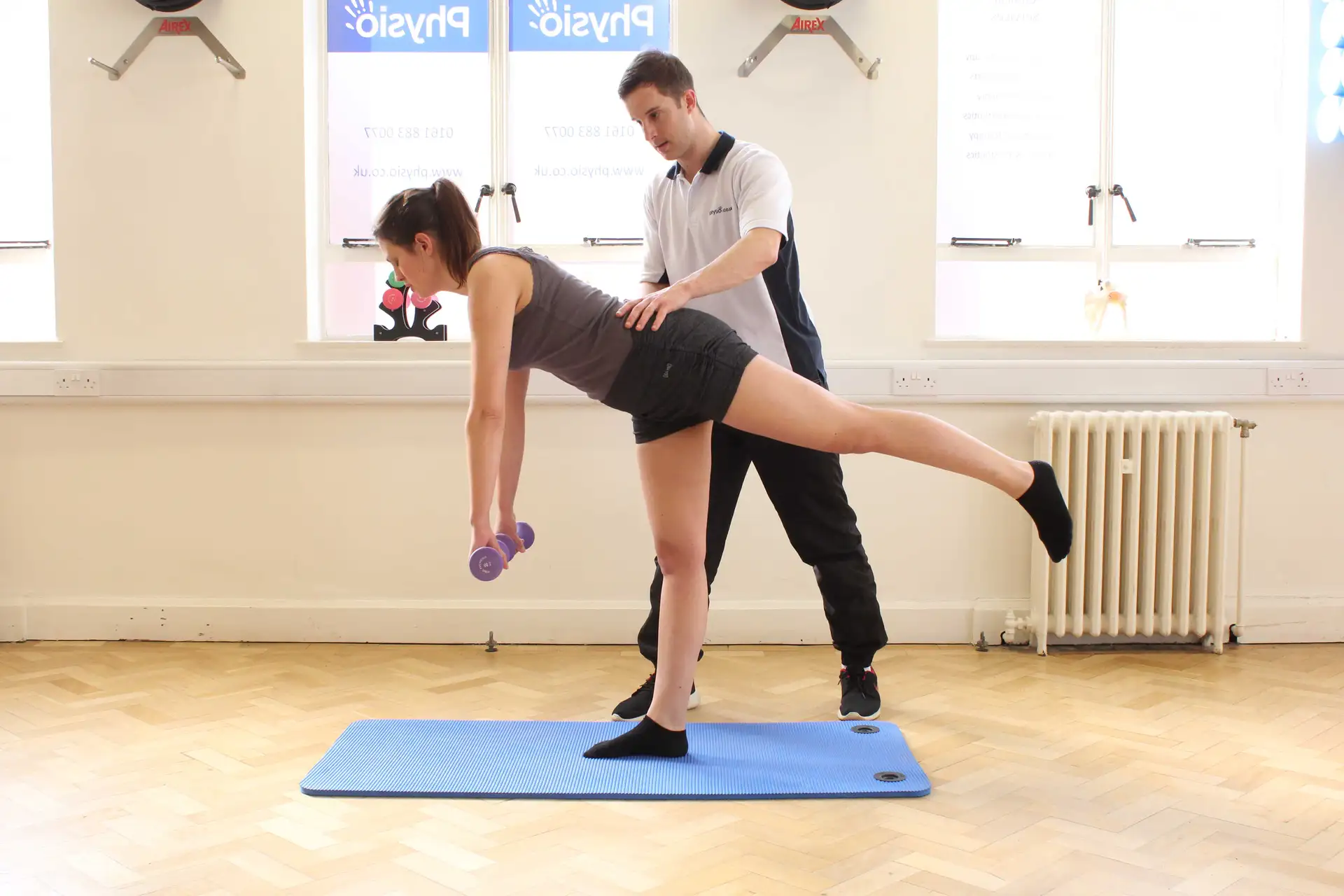
The length of time depends on your requirements and needs. A follow-up session may include:
- Evaluation of your progress
- Reaction and effects of previous treatment
- Re-assessment if necessary
- Treatment (hands-on)
- Review of your exercise and rehabilitation programme
- Any new concerns that you might have
Follow-up sessions are charged according to time. Please refer to our FEES page.
Frequently Asked Questions
Physiotherapy is a healthcare profession that helps people recover from pain, injury and movement problems. Using evidence-based assessment, hands-on treatment, exercise rehabilitation and education, physiotherapy aims to reduce pain, restore movement and improve your overall quality of life.
No. You can book an appointment with our physiotherapists directly without a GP referral. However, if your private health insurer requires a referral, we recommend checking with them before your appointment.
Please wear comfortable clothing that allows your physiotherapist to assess the affected area. For example, shorts are helpful for knee or hip problems, while a vest or loose-fitting top may be suitable for shoulder or neck conditions.
Your first appointment includes a detailed discussion about your symptoms, medical history and lifestyle, followed by a physical assessment. Your physiotherapist will explain their findings, discuss your treatment options and, where appropriate, begin treatment during the same visit.
Appointment times vary depending on the type of consultation and treatment required. We recommend allowing sufficient time for a thorough assessment, discussion of your condition and any treatment that may be appropriate.
The number of sessions varies from person to person and depends on your condition, recovery goals and how you respond to treatment. Some patients improve after only a few sessions, while others with more complex conditions may benefit from a longer rehabilitation programme. Your physiotherapist will discuss a personalised treatment plan with you after your assessment.
Yes. Physiotherapy is highly effective in treating many sports-related injuries, including muscle strains, ligament injuries, tendon problems and joint pain. Our aim is not only to help you recover safely but also to reduce the risk of future injury through personalised rehabilitation and advice.
Yes. We welcome patients using private health insurance. If you're unsure whether your policy covers physiotherapy treatment, please contact your insurer or get in touch with our team before booking your appointment.
Your wellbeing always comes first. If we believe another healthcare professional is better placed to help with your condition, we'll tell you honestly and guide you towards the most appropriate care. As part of the Bloomsbury Practice multidisciplinary healthcare team, we can also help arrange referrals to osteopathy, massage therapy, acupuncture, orthopaedic specialists or diagnostic imaging where appropriate.
We assess and treat a wide range of musculoskeletal conditions, including back pain, neck pain, sports injuries, shoulder pain, knee pain, hip pain, sciatica, arthritis, running injuries and workplace-related problems. If you're unsure whether physiotherapy can help your condition, please contact us for honest advice.
In many cases, yes. Staying active is often an important part of recovery. Your physiotherapist will advise you on which activities are safe to continue, what should be modified and which exercises will best support your rehabilitation.
You don't have to wait until your pain becomes severe. Early assessment can often help identify the cause of your symptoms, prevent further problems and support a quicker recovery. If you're experiencing pain, stiffness, reduced mobility or recovering from an injury or surgery, physiotherapy may help.